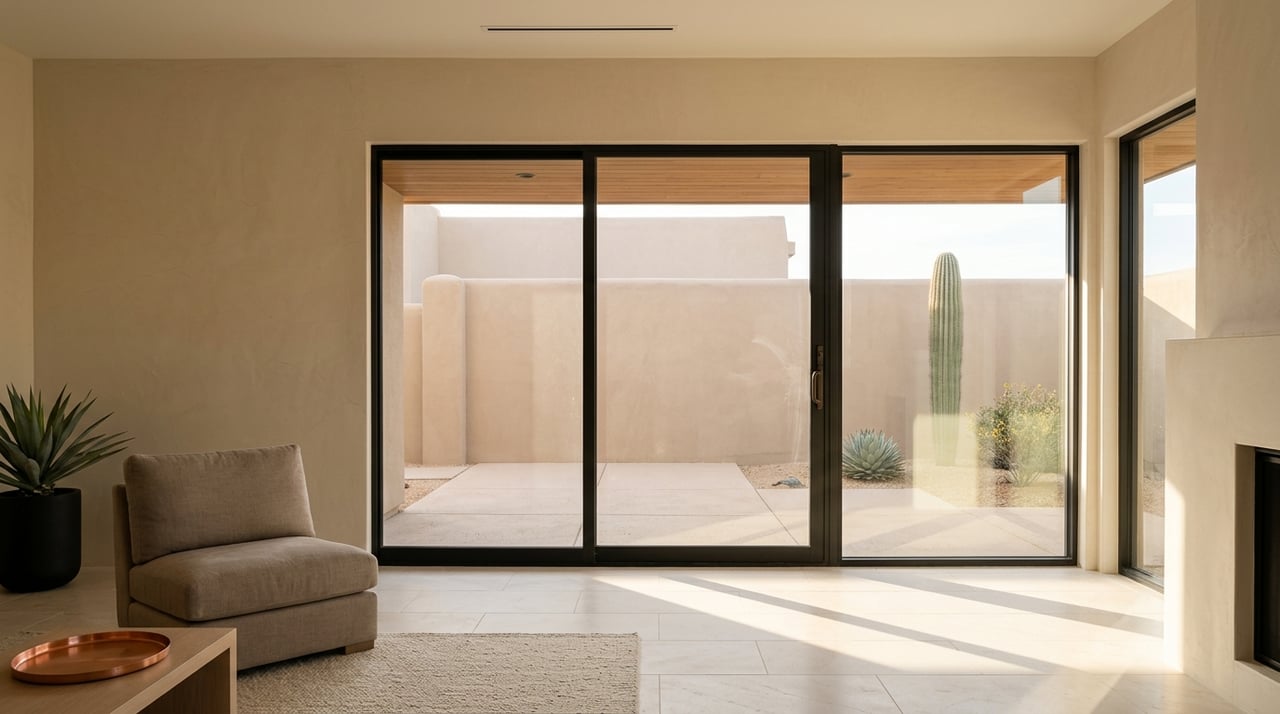
Wondering whether Oro Valley is a buyer’s market or a seller’s market right now? The honest answer is that it depends on the slice of the market you are looking at. If you are planning to buy, sell, or simply make sense of the headlines, this guide will help you read the market with more confidence and less guesswork. Let’s dive in.
Oro Valley Is Not One Market
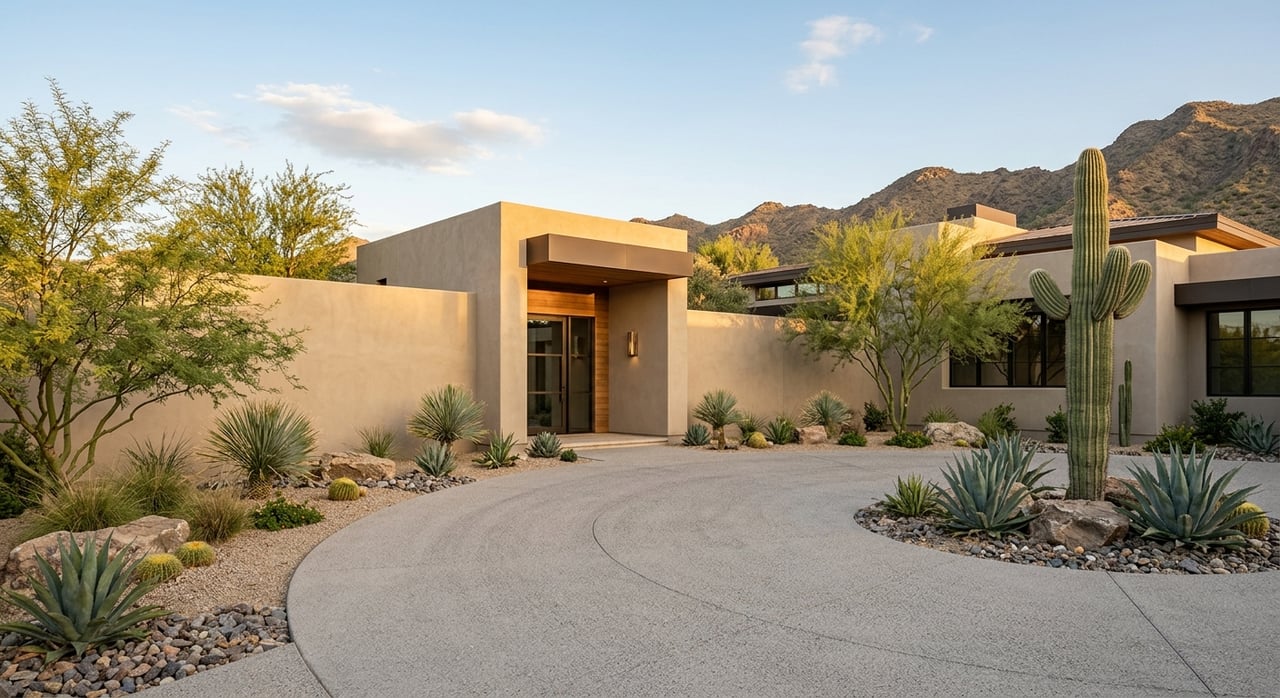
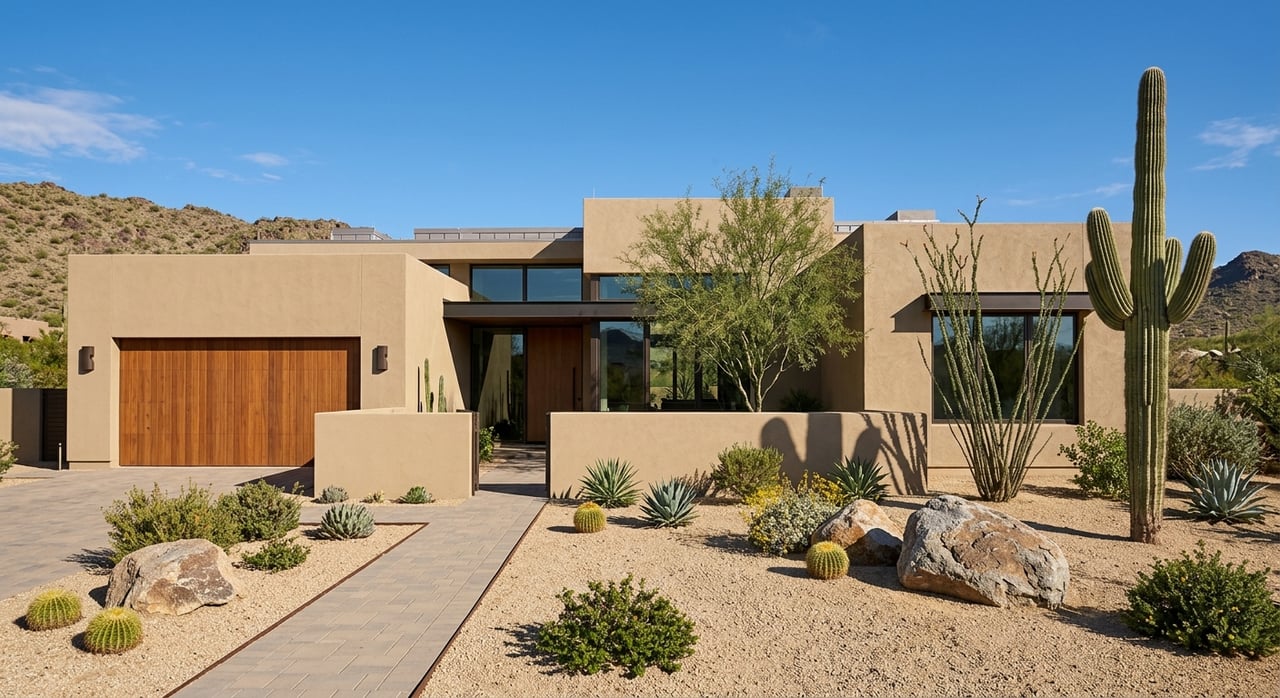
Oro Valley is an incorporated town in northern Pima County with more than 45,184 residents. The town’s housing stock is still dominated by detached single-family homes, with much smaller multifamily and manufactured-home shares. That matters because home type shapes pricing, inventory, and buyer demand.
If the market feels confusing, you are not imagining it. Recent public reports show different numbers because they track different metrics and time periods. Even so, the big picture is consistent: today’s Oro Valley market is slower and more negotiable than the 2021 and 2022 peak, but it does not point to a distressed market.
What the Latest Numbers Suggest
Several recent snapshots help frame the market. Zillow reported a typical home value of $504,473 as of May 31, 2026. Redfin reported a three-month median sale price of $494,204 in May 2026, while Realtor.com showed a median listing price of $524,900 in March 2026.
Those numbers are close enough to tell a useful story. Sellers are still finding value in the market, but buyers have more room to negotiate than they did during the frenzy years. In other words, the pace has normalized.
Inventory Is Up, But Not Flooded
Inventory is one of the clearest signs of a shifting market. Zillow reported 413 homes for sale at the end of May 2026, while Realtor.com showed 536 homes for sale in March 2026. Those figures are not identical, but they both suggest more choice for buyers than in the tightest years of the recent cycle.
At the same time, this is not an oversupplied market across the board. An MLS-backed local report described the overall market as balanced, with 2.4 months of inventory. That kind of reading usually points to a market where neither side has complete control.
Days on Market Shows a Slower Pace
Homes are also taking longer to sell than they did a few years ago. Redfin’s May 2026 snapshot showed a median of 70 days on market. That is an important reset for both buyers and sellers.
For buyers, a longer timeline can mean a better chance to compare options and negotiate carefully. For sellers, it means pricing and presentation matter more because buyers have time to be selective.
Sale-to-List Ratios Still Look Healthy
Even with a slower pace, sale-to-list ratios remain fairly tight. Zillow reported a 0.985 median sale-to-list ratio, Realtor.com showed a 99% sale-to-list ratio, and Redfin showed 98.1%. Across those sources, homes are generally selling close to asking price, though often a bit below it.
That is a healthy sign. It suggests buyers are not forcing deep discounts in most cases, but it also confirms that unrealistic pricing can create friction. Today’s market tends to reward homes that enter at the right number.
Why Price Range Matters So Much
This is where Oro Valley gets more interesting. Townwide numbers are useful, but they can hide very different conditions from one price band to another. A local MLS-backed report showed that the market behaved very differently depending on price.
In May 2026, the $300,000 to $400,000, $400,000 to $500,000, $500,000 to $600,000, $600,000 to $700,000, $700,000 to $800,000, and $800,000 to $900,000 bands were still labeled seller’s markets. By contrast, the $900,000 to $1 million band showed 11 months of inventory and was labeled a buyer’s market.
That is a major difference. If you are shopping below $900,000, you may still face meaningful competition on well-priced homes. If you are buying in the $900,000 to $1 million range, you may have more leverage, more time, and more negotiating room.
The Mid-Tier Market Is Driving Activity
Another useful takeaway is where most of the action is happening. Local reporting showed that April 2026 closings were driven mainly by the $475,000 to $700,000 range. That suggests the mid-tier market remains the most active part of Oro Valley.
For sellers in that range, competition can still work in your favor if your home is priced and prepared well. For buyers, it means the best homes may still move quickly when they are aligned with current market expectations.
Luxury Homes Follow Their Own Rhythm
Luxury buyers and sellers should be careful about relying on townwide averages. Higher-end segments often move on a different schedule and respond to a different pool of buyers. Local reporting also noted that the luxury tier above $1 million improved compared with 2024, with the $1.2 million-plus segment back in balanced territory.
That does not mean every luxury listing will sell quickly. It means strategy matters more than broad headlines. In a segment where buyers are discerning and inventory can vary sharply, precise pricing and thoughtful marketing become especially important.
Detached and Attached Homes Are Different Markets
Because Oro Valley is still largely a detached-home market, condos, townhomes, and patio homes often operate in a separate lane. Attached housing is smaller in supply and tends to span from the high $200,000s to the low $700,000s, with most volume between $330,000 and $480,000.
If you are deciding between a condo and a detached home, it helps to compare like with like. A townhome does not compete with every single-family property in town. It competes most directly within its own product type, price range, and location.
Neighborhood-Level Data Adds More Context
Submarket differences inside Oro Valley can be significant. Recent Realtor.com neighborhood snapshots showed a median listing price of $295,000 in Boulders at La Reserve Condominiums with 88 median days on market. Vistoso Village showed a median listing price of $362,450 and 71 days on market.
Sun City Oro Valley showed a median listing price of $409,900 and 77 days on market, while Stone Canyon showed a median listing price of $2.395 million and 81 days on market. These examples are a good reminder that attached, age-restricted, and luxury areas do not move in lockstep.
What Buyers Should Watch Right Now
If you are buying in Oro Valley, your first question should not just be, “Is this a buyer’s market?” A better question is, “Which Oro Valley market am I shopping in?” That shift in thinking can help you make stronger decisions.
Focus on these factors when evaluating a home:
- The property type, such as detached versus attached
- The price band it falls into
- The immediate neighborhood or submarket
- How long similar homes have been taking to sell
- Whether recent sales in that segment are closing near list price
In a more balanced market, buyers can often be more methodical. But in active price ranges, especially the mid-tier market, well-priced homes can still attract quick interest.
What Sellers Should Watch Right Now
If you are selling, pricing discipline is critical. A local report suggests that overpricing can quickly push a home from balanced conditions into stale-listing territory. Buyers today have more information and more options, so an ambitious price can cost you time and leverage.
The best starting point is to evaluate your home in the correct lane. That means comparing it with recent sales and active competition in the same property type, similar price band, and ideally the same neighborhood or zip code. Broad averages are helpful, but they are not enough on their own.
The Bottom Line on Oro Valley
Today’s Oro Valley housing market is best understood as several smaller markets moving at different speeds. Overall, conditions appear more balanced and more negotiable than the pandemic peak. But your real experience will depend on your price point, property type, and submarket.
That is why local interpretation matters. Whether you are preparing to list a foothills home, comparing a condo with a detached property, or weighing a luxury purchase, clear segment-specific advice can help you move with confidence. If you want a tailored view of where your property or search fits in today’s market, Lore Denny can help you build a smart, personalized strategy.
FAQs
Is Oro Valley a buyer’s market or seller’s market in 2026?
- It depends on the segment. Some local reports describe the overall market as balanced, while the $900,000 to $1 million range is more buyer-leaning due to higher inventory.
What price range is most active in the Oro Valley housing market?
- Recent local reporting showed that the $475,000 to $700,000 range drove much of the closing activity in spring 2026.
Are Oro Valley condos and townhomes moving like detached homes?
- No. Attached housing tends to operate in its own pricing lane, and Oro Valley’s overall housing stock is still dominated by detached single-family homes.
How long are homes taking to sell in Oro Valley right now?
- One recent market snapshot reported a 70-day median days-on-market figure, though timing can vary by neighborhood, property type, and price range.
What should sellers in Oro Valley focus on most?
- Sellers should focus on accurate pricing based on the right comparables, especially within the same property type, price band, and neighborhood.
What should buyers compare when shopping in Oro Valley?
- Buyers should compare homes by property type, price range, submarket, days on market, and how closely similar homes are selling to their asking prices.