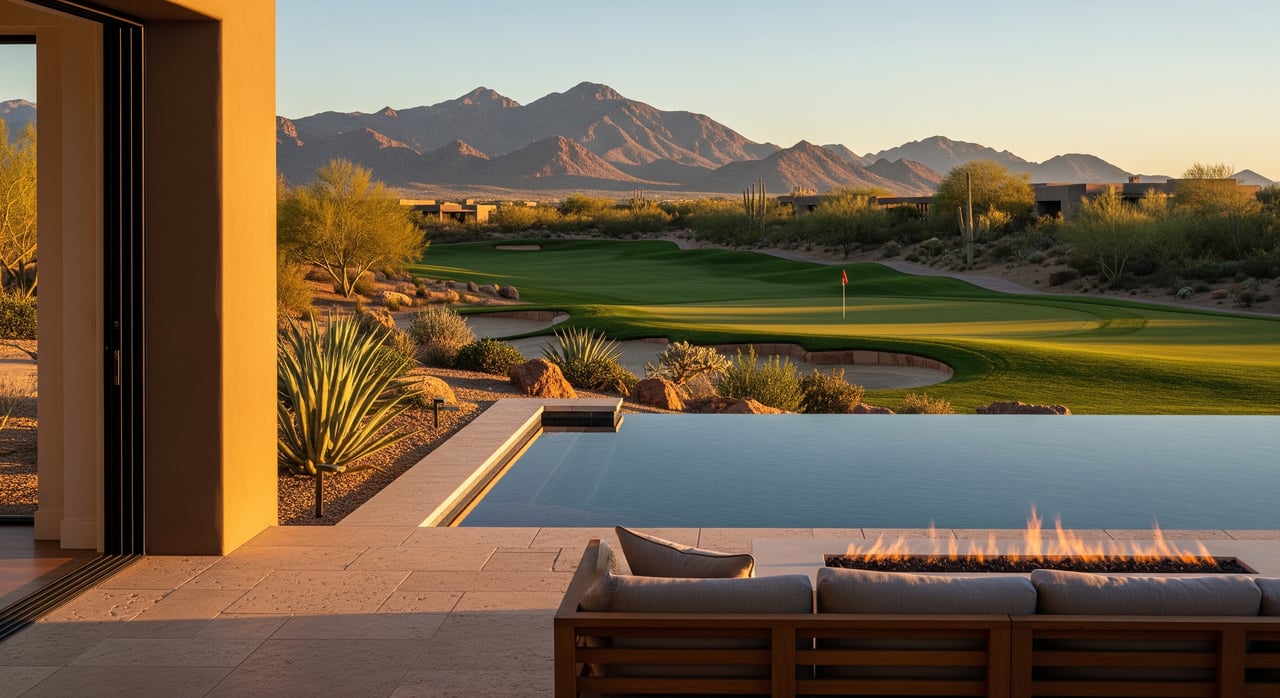
Imagine waking up to mountain silhouettes and emerald fairways, then walking to the clubhouse for coffee with neighbors before an early tee time. If you are weighing a move to Oro Valley, that picture may be close to your ideal day. You want the scenery, amenities, and a community that fits your lifestyle, but you also want to understand HOA rules, membership options, and long-term value. This guide breaks down what life in Oro Valley golf communities really looks like so you can move forward with clarity. Let’s dive in.
Why choose Oro Valley for golf living
Oro Valley sits just north of Tucson at the base of the Santa Catalina Mountains, with sweeping desert views and easy access to outdoor recreation. Many neighborhoods were designed around golf, so you will find a range of communities from private country clubs to semi-private and resort-adjacent options. Buyers often choose Oro Valley for its foothill scenery, newer custom homes, and a refined suburban feel.
Compared with the wider Tucson area, Oro Valley tends to offer more foothill-oriented neighborhoods and a higher concentration of golf-access communities. When you compare prices or resale potential, it is smart to look at local comps within Pima County to understand how a golf location influences value in this submarket.
Golf community types
Private country-club options
These are gated neighborhoods centered on a member-based golf course and clubhouse. You typically see robust amenities, from dining and fitness to tennis and pickleball, along with an active social calendar. Membership can be equity or non-equity, and initiation plus monthly dues are common.
Semi-private and resort‑adjacent courses
Some communities sit on or near courses that allow public play or are tied to a nearby resort. These may have more flexible membership options or public tee times. If you want access without a full private-club commitment, this model can be a good fit.
Active‑adult near golf
Several nearby neighborhoods are designed for active adults and offer strong social and recreational programming. Not all are strictly golf communities, but many residents play. If you prioritize structured activities and a social environment, these areas can be worth a look.
Fairway vs. in‑community homes
“Fairway homes” back directly to the course with green views and easy access to walking paths along the rough. “Infield” homes sit within the community but not on the course, often at a lower price point. Views, privacy, and maintenance needs can vary based on lot orientation and proximity to play areas.
Day‑to‑day lifestyle
Amenities and services
Expect a clubhouse hub with dining, locker rooms, and event spaces. Golf facilities often include 18- or 9-hole layouts, a driving range, practice greens, short-game areas, and a pro shop. Many clubs also feature pools, fitness centers, tennis and pickleball courts, walking paths, and organized fitness or social programs.
Community rhythm and seasons
The social calendar is a major draw. You will see leagues, clinics, tournaments, and themed dinners that make it easy to meet neighbors. Peak golf season is winter through spring, when weather is mild and activity is highest. Summer brings heat and a quieter pace, though early-morning rounds remain popular.
Nature, views, and microclimate
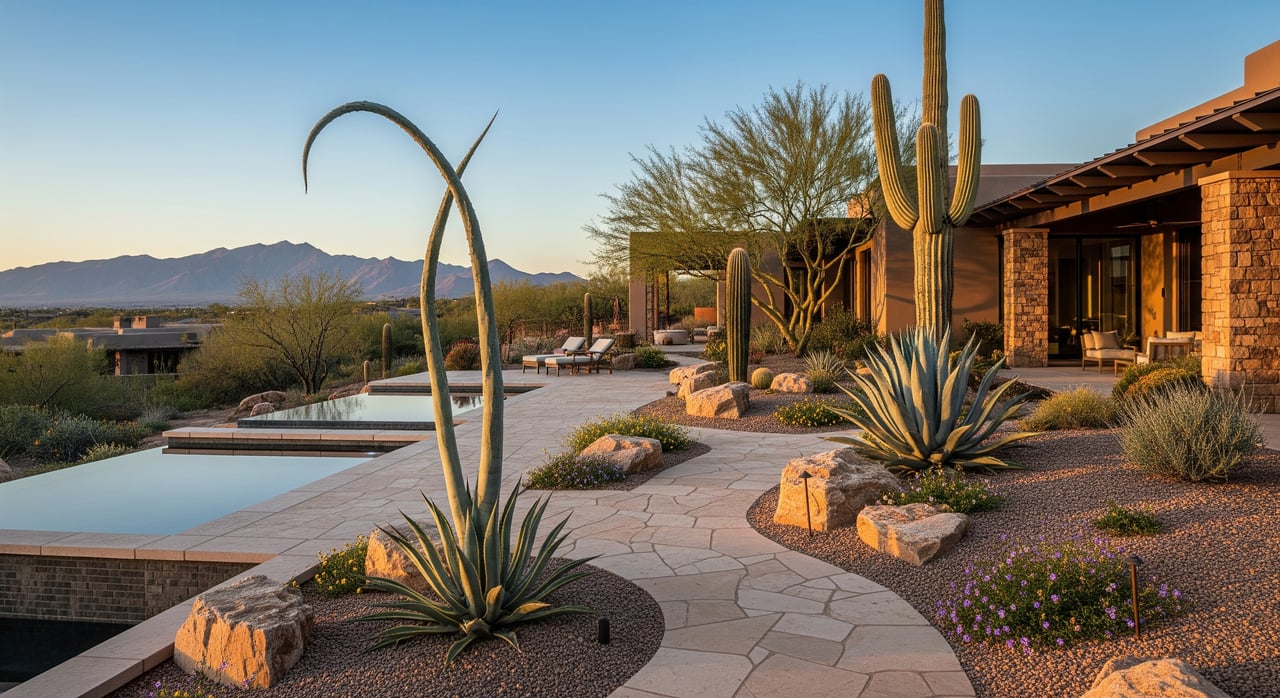
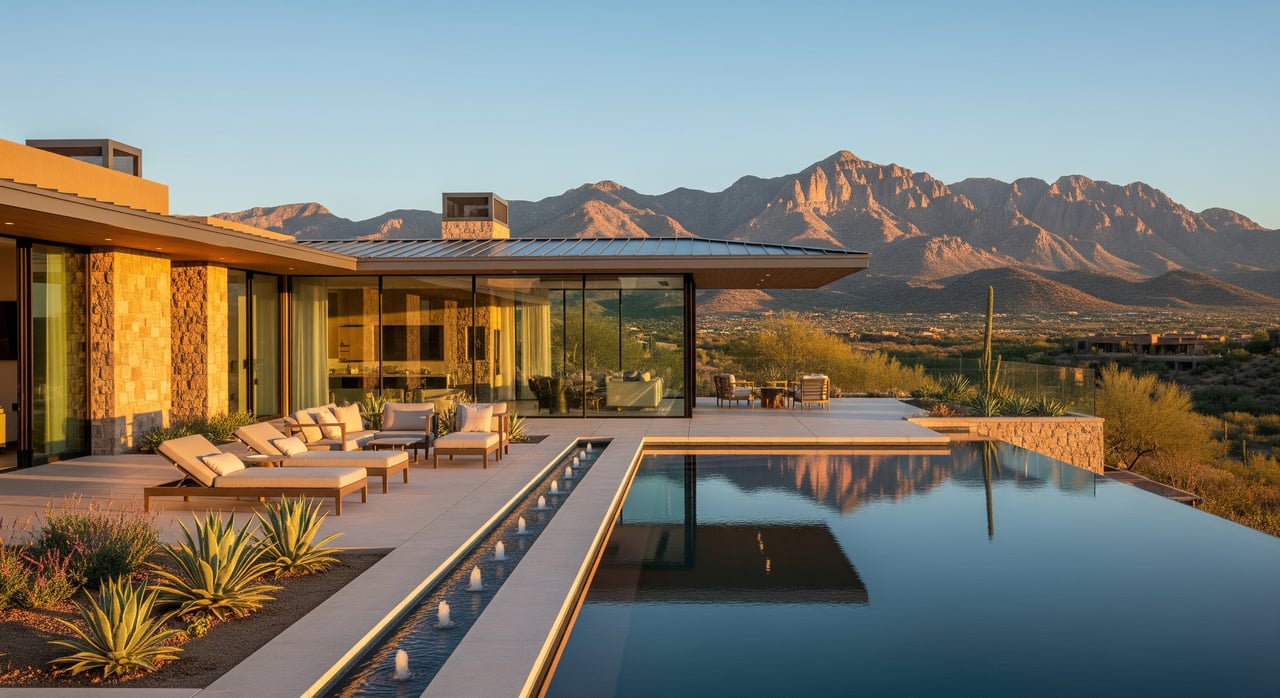
Many lots capture Catalina Mountain views and open fairway vistas. Desert wildlife is part of daily life, including birds, rabbits, coyotes, and javelina. The irrigated turf can create localized cooling along the fairways, though your yard will likely feature water-wise landscaping.
Real estate basics to know
Home styles and lots
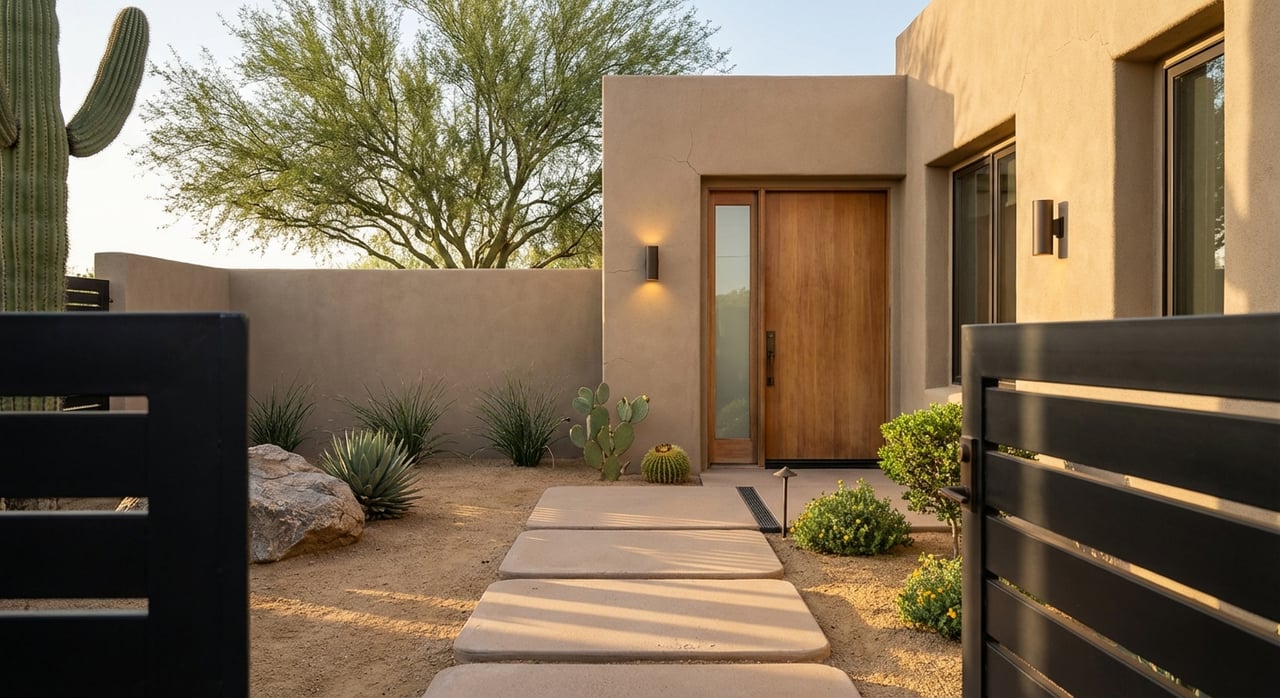
You will find architectural variety: desert/Santa Fe, Mediterranean/Tuscan, contemporary desert-modern, and custom luxury builds. Most homes are single-family on medium to large lots, with select custom estates in the high end. Newer homes often highlight indoor-outdoor living, deep patios, and energy-conscious features suited to the desert.
HOA, CC&Rs, and community rules
Golf communities often have stricter design standards and architectural review. HOAs may regulate exterior paint, roofing, front-landscape design, visible solar placement, fencing, and setbacks. Rules can address golf-cart use, guest parking, short-term rentals, and exterior lighting. Request full HOA and CC&R documents, amendments, fee schedules, and any reserve studies early in your process.
Membership and financial considerations
Membership models vary: equity, non-equity, and social (non-playing) options. Expect initiation fees plus monthly or annual dues at private clubs, with costs tied to membership type. A well-maintained course and active club can bolster demand, particularly for buyers who want the golf lifestyle. That said, premiums depend on local demand, course condition, and whether your property has direct views or access.
Taxes, insurance, and maintenance
Property taxes follow standard local assessment practices, with high-end homes naturally assessed higher. Insurance reflects replacement cost and local risk factors, including foothill wildfire and drainage. Course-side owners may have higher landscaping needs and irrigation upkeep; in some communities, the HOA maintains certain edges near the course. Always confirm where the maintenance line sits and what the HOA covers.
Buyer checklist: verify before you write an offer
Use this quick list to streamline due diligence:
- HOA and CC&Rs: request the full documents, amendments, fee schedules, reserve studies, and any special assessment history.
- Membership details: clarify structure, initiation fees, dues, any waitlists or membership caps, and whether memberships can transfer with the home.
- Lot orientation: confirm survey lines, course easements, setback from play areas, and who maintains landscape along the boundary.
- Water and irrigation: ask about reclaimed water use for the course and any local restrictions that may affect your own irrigation.
- Pest and wildlife: review any history and policies for burrowing animals or javelina, plus practical mitigation steps.
- Noise and activity: understand early-morning maintenance schedules and whether tournaments or events affect traffic and parking.
- Comparable sales: compare fairway-view homes to in-community homes within the same neighborhood to gauge any view premium.
Pro tip: Walk the lot in the morning and late afternoon to understand sun angles, wind, and activity. If possible, visit during peak season and during a quieter summer morning to see both rhythms.
Seller prep: what today’s buyers ask first
Be ready to answer practical questions that build confidence:
- Is the club membership transferable, and under what terms? What are current initiation fees and dues for each membership tier?
- Have there been recent or planned capital projects at the club, such as course renovations or clubhouse upgrades? Any related assessments?
- What is the HOA’s financial position? Any litigation or special assessments buyers should know about?
- Are there rental restrictions that limit short-term stays? If so, what is the minimum lease length?
- How often does course maintenance pass behind the home, and are there established quiet hours or buffer policies?
Clear, current answers help shorten timelines and protect your negotiating position.
Oro Valley vs. greater Tucson
Oro Valley appeals to buyers who want foothill scenery, newer custom neighborhoods, and proximity to recreation. Many perceive it as more suburban and, in places, more upscale compared with parts of greater Tucson. When valuing a golf-course property, lean on Pima County comparables and local MLS data so you see the true premium within the same submarket rather than broad regional averages.
Smart showing questions to ask
Use these prompts with listing agents, club offices, and HOA managers:
- Membership capacity: Are new memberships currently open? If there is a waitlist, how long is it and can buyers access social amenities while waiting?
- Tee-time access: How are tee times allocated between members and any public play? Are there blackout periods or high-demand days to plan around?
- Course upkeep: How is irrigation managed and what conservation measures are in place? Are there known turf reduction or redesign plans?
- Boundary care: Who maintains the rough edge behind the home, and what is the trimming frequency?
- Events calendar: What tournaments or large events occur during peak season, and how do they affect traffic or parking in the neighborhood?
Living well on the fairway
Life in an Oro Valley golf community blends mountain views, a friendly social scene, and easy access to fitness and outdoor fun. The tradeoffs are straightforward: you get amenities and organized programs in exchange for HOA rules and, in some communities, club dues. With the right due diligence, you can secure a home that fits your lifestyle today and supports strong resale tomorrow.
If you want guidance tailored to your budget, timeline, and preferred club experience, connect with a local advisor who knows the nuances of Oro Valley’s golf neighborhoods. For a discreet, concierge approach from search to negotiation, reach out to Lore Denny for a personalized market consultation.
FAQs
Are Oro Valley golf-course homes more expensive?
- Often fairway-view homes command a premium for views and the lifestyle, but the size of that premium varies by community demand and property specifics.
What about safety and stray golf balls near the fairway?
- Some fairway homes may experience occasional stray balls; lot orientation and protective landscaping or netting can help reduce risk.
Can I rent my Oro Valley golf home short-term?
- Many golf communities restrict short-term rentals; check the CC&Rs and any local ordinances for minimum lease terms.
How noisy are golf communities day to day?
- Early-morning maintenance is routine, and tournament days can bring short bursts of activity; evenings are generally quiet and residential.
What membership types should I expect?
- You may see equity, non-equity, and social memberships; initiation fees and dues vary by club and membership tier.
Do golf courses in Oro Valley use reclaimed water?
- Some courses use reclaimed water or conservation measures; policies vary by course, so confirm details with the club or local utilities.
What HOA rules affect renovations or solar panels?
- HOAs often regulate exterior paint, roofing, landscape design, fencing, and visible solar placement; review the architectural guidelines before planning changes.