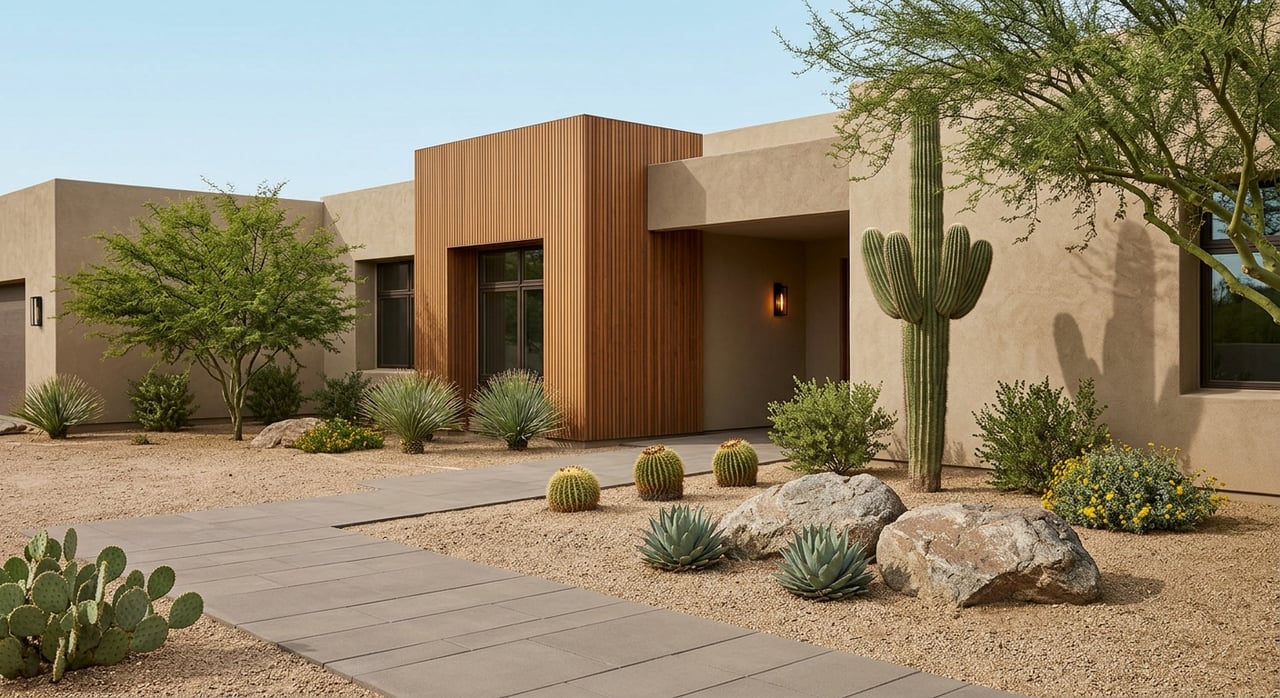
If you are buying a home in Arizona from Germany, Austria, Switzerland, or simply as a German-speaking buyer, the Catalina Foothills can feel both exciting and unfamiliar. The area offers a premium foothills market, but the buying process includes U.S. terms, Arizona deadlines, and local property questions that may not match what you know from German-speaking countries. This guide will help you understand how buying works in the Catalina Foothills, what to watch closely, and how to move forward with more clarity and confidence. Let’s dive in.
Why Catalina Foothills Feels Different
Catalina Foothills is not an incorporated city with one simple local rulebook. It is an unincorporated community in Pima County, which means you may deal with county-level processes and subdivision-specific rules depending on the property. That matters if you are buying remotely or trying to compare the area to a more centralized European system.
The area also stands out as a higher-value market. According to Pima County residential valuation statistics, Catalina Foothills district 6 had a median time-adjusted sale value of $474,961 in 2024, compared with $285,002 countywide. In practical terms, you should expect a more detailed due-diligence process and careful review of property-specific risks.
Catalina Foothills is also relevant for international buyers from a demographic standpoint. Pima County data shows that 14.5% of residents are foreign-born and 18.6% speak a language other than English at home. That does not change the legal process, but it does show why clear communication matters here.
Understand U.S. Terms First
For German-speaking buyers, the biggest mistake is assuming a direct legal translation exists for every step. In Arizona, many terms have a similar function to German real estate concepts, but they do not work the same way. It helps to learn what each term does before you sign anything.
Notary Is Not The German Notar
In Arizona, a notary public has a limited role. The notary witnesses signatures, verifies identity, and performs specific notarial acts. This is very different from the German Notar, who often plays a much broader legal role in the transaction.
In Arizona, the closing process is typically handled through escrow and title. The escrow officer acts as a neutral third party and helps carry out the contract instructions, while the title company helps verify ownership and issue title insurance.
Key Arizona Terms To Know
Here are some of the most important terms to understand early:
- Escrow: A neutral third party holds documents and funds and follows the contract instructions. The Arizona buyer guide explains this as the core of the closing process.
- Earnest money: Your good-faith deposit after the contract is accepted.
- Deed of Trust: In Arizona, this is generally used instead of a mortgage document to secure the lender’s rights.
- Inspection Period: Your due-diligence window. In the standard Arizona resale process, it is commonly 10 days unless negotiated differently.
- Title Commitment: The preliminary title report that outlines liens, easements, CC&Rs, and other title exceptions.
- COE: Close of escrow. In Arizona, closing is complete when the deed is recorded.
For financing, you should also understand the Loan Estimate and Closing Disclosure. The Consumer Financial Protection Bureau explains that these documents help you compare loan terms and review final costs before closing.
Arizona Deadlines Move Fast
One of the biggest surprises for overseas buyers is how quickly the process starts moving after an offer is accepted. Arizona contracts are deadline-driven, so waiting too long to review documents can create real problems.
What Happens In The First 10 Days
According to the Arizona buyer guide, several important tasks often happen right away:
- Basic loan-application information is typically due within 3 days after acceptance
- The seller usually provides the seller disclosure statement within 3 days
- The inspection period is commonly 10 days
- Buyers generally have 5 days after receiving the title commitment to object to title issues
- Buyers generally have 5 days after receiving seller disclosures or claims history to object to issues there
This means you should not wait until day 9 or 10 to begin reviewing the file. If you are buying from abroad, you will want a clear system for reading, translating if needed, and responding quickly.
What Happens Before Closing
After the inspection period, the financing and escrow process continues on a set schedule. You may need to provide more lender documents, confirm your loan terms, and deposit required funds before closing.
The CFPB states that a lender must generally provide a Loan Estimate within 3 business days after receiving the required application information, and a Closing Disclosure must be provided at least 3 business days before closing. It is important to remember that a Loan Estimate is not the same thing as final loan approval.
In Arizona, close of escrow is complete only when the deed is recorded. If the escrow office or county recorder is closed on the scheduled closing day, the closing moves to the next open business day.
Foothills Due Diligence Matters More
Buying in the Catalina Foothills is not only about price and views. It is also about land, drainage, terrain, utilities, and restrictions that can vary a lot from one property to another.
Flood, Fire, And Drainage Checks
The foothills setting creates risks that deserve close review. Pima County warns that fire history in the Catalina Mountains foothills has increased flash-flood and mudflow risk downstream. For a remote buyer, this is especially important because photos may not show how water moves across or near a property.
The Arizona Department of Real Estate buyer advisory recommends investigating flood plain status, prior fire or flood damage, water issues, and soil conditions. In the Catalina Foothills, these are not minor details. They can affect insurance, maintenance, and your long-term comfort with the property.
Water, Septic, Sewer, And Soil
Utilities should never be assumed. ADRE advises buyers to investigate the water source and quality, including whether the property is served by a municipal system, a private water company, or a well. Depending on the parcel, you may also need to confirm whether the home is on sewer or septic.
Soil and slope conditions matter too, especially on hillside or wash-adjacent lots. If boundaries are unclear, a survey may be worth discussing. The buyer advisory also flags environmental and property-condition issues such as pests and soil movement, which can be highly relevant in parts of Southern Arizona.
HOA And CC&R Review
If the home is in a community with an HOA, read the documents carefully. The ADRE property buyer checklist notes that deed restrictions can limit items such as landscaping choices, RV parking, play equipment, and satellite antennas.
For many German-speaking buyers, this is a key adjustment. A detached home may still come with detailed community rules, so it is important to understand those rules during your inspection and document-review period.
Financing And Budgeting As An International Buyer
If you are not a U.S. citizen, you can still buy property in Arizona. The CFPB explains that a lender cannot discriminate based on national origin, but it may ask about permanent residency or immigration status and may consider that information when evaluating repayment risk. That means your financing path may involve more documentation, not necessarily a closed door.
Pre-qualification can help you estimate monthly costs early. It may include principal, interest, mortgage insurance if applicable, hazard insurance, and property taxes. You should also keep in mind that closing costs and monthly ownership costs are different budget categories.
Property Taxes And Ongoing Costs
In Pima County, property taxes are based on the property’s assessed limited value. Statements are mailed each September, and taxes are generally paid in two installments, with the first half due October 1 and the second half due March 1.
For buyers coming from abroad, this matters because post-closing costs do not end with the purchase. Your ongoing budget may include property taxes, insurance, utility costs, and HOA fees where applicable.
Cash Buyers Still Need Documentation
If you plan to buy with cash, expect to show proof of funds. The Arizona title-company guidance says buyers may still need to provide source-of-funds documentation or similar financial verification. A cash purchase can simplify financing, but it does not remove the need for documentation.
Protect Yourself From Wire Fraud
Wire fraud is a serious concern in U.S. real estate transactions. The CFPB warns that scammers sometimes impersonate agents or closing contacts shortly before closing and try to redirect funds using fake instructions.
As an international buyer, you should confirm wiring instructions only through trusted, verified contacts. Never rely on a last-minute email link or a sudden change sent by email alone. A careful confirmation step can protect both your money and your closing timeline.
A Simple Buying Strategy
If you are a German-speaking buyer considering Catalina Foothills, a practical approach looks like this:
- Learn the Arizona process and terminology before writing an offer.
- Get clear on financing or proof of funds early.
- Prepare for fast deadlines during the first 10 days after acceptance.
- Review title, disclosures, and HOA documents as soon as they arrive.
- Focus inspections on flood, drainage, water, utilities, soil, and boundaries.
- Confirm all wiring details through trusted contacts only.
This kind of preparation is especially valuable in a premium foothills market, where each property can have its own combination of terrain, regulations, and ownership costs.
If you want a calmer, clearer path into the Catalina Foothills market, working with an advisor who understands both the local process and German-speaking clients can make a meaningful difference. When you are ready to take the next step, Lore Denny offers personalized guidance for Catalina Foothills buyers with local expertise, measured communication, and bilingual support.
FAQs
Can a non-U.S. citizen buy a home in Catalina Foothills?
- Yes. A non-U.S. citizen can buy property in Arizona, although lenders may ask for residency, immigration, income, and documentation details when financing is involved.
What does escrow mean in an Arizona home purchase?
- Escrow is the neutral process in which a third party holds funds and documents and carries out the contract instructions until closing is complete.
How long is the inspection period in an Arizona resale contract?
- In the standard Arizona resale process, the inspection period is commonly 10 days unless the parties negotiate a different timeline.
What should buyers inspect carefully in Catalina Foothills?
- You should pay close attention to flood and drainage risk, fire history, water source, sewer or septic service, title exceptions, HOA rules, and possible soil or boundary concerns.
Does a U.S. notary have the same role as a German Notar?
- No. In Arizona, a notary public has a limited role focused on witnessing signatures and verifying identity, while escrow and title handle most of the closing process.
When is closing officially complete in Arizona?
- Closing is complete at close of escrow, which occurs when the deed is recorded with the county recorder.